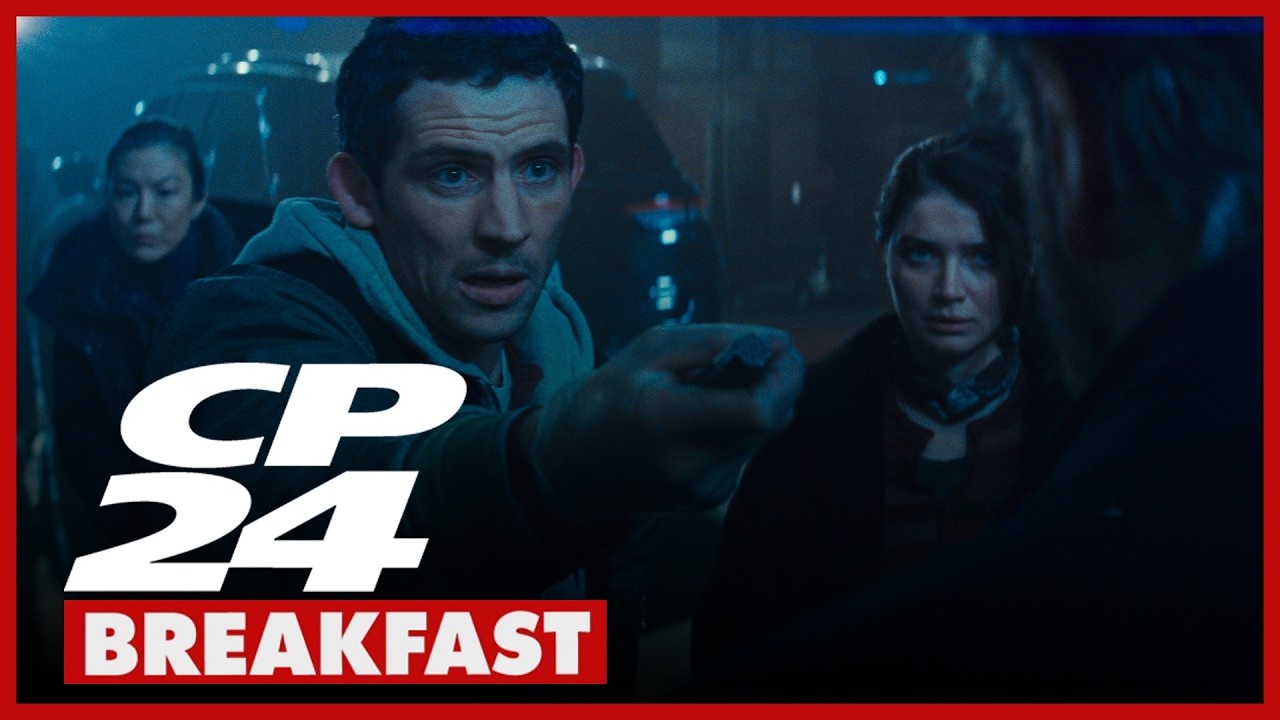
The Mixed Reception of Steven Spielberg’s "Disclosure Day"
This weekend, audiences are treated to a new offering from the legendary filmmaker Steven Spielberg: "Disclosure Day." Starring Emily Blunt as a TV meteorologist, the film explores an intricate tapestry of conspiracy and alien existence, a theme Spielberg has woven into his narratives for over fifty years. While the premise might sound thrilling, early reviews signal a more complex reception.
"Disclosure Day" follows the journey of Blunt’s character, who inadvertently begins speaking an alien language during a broadcast. This shocking revelation draws her into a conspiracy involving government efforts to conceal the reality of extraterrestrial life. For fans of Spielberg, who has tackled the subject of aliens previously in films like "Close Encounters of the Third Kind" and "E.T.," the groundwork may seem familiar, but the execution has apparently left some wanting.
Richard Crouse, the host of the entertainment podcast "Entertainment is Broken," offers a particularly critical view. In a recent segment, he described the film as “plodding.” At two and a half hours long, Crouse noted that it could feel tedious, especially given Spielberg’s usual flair for storytelling. The performances, particularly by Blunt and Eve Hewson, are commendable, yet they are not enough to elevate the film to the level of engagement that audiences may expect.
One of the standout aspects of Spielberg’s oeuvre has always been his ability to blend the extraordinary with the everyday, crafting stories where families navigate their lives alongside baffling phenomena. With "Disclosure Day," however, the storytelling seems to stall. Crouse pointed out that although the film had moments of strong filmmaking, they were surprisingly sparse compared to the director’s prior works.
Indeed, Crouse mentions that, in previous Spielberg films, even lengthy narratives were manageable due to engaging writing and dynamic character arcs. This time, he felt the pacing dragged, leading to frustration as viewers waited for the storyline to unfold satisfactorily. The criticism marks a rare moment where a Spielberg film received such a lukewarm rating.
Considering Spielberg’s reputation, one might wonder if audiences are setting themselves up for disappointment based on inflated expectations. After decades of cinematic excellence, one poor outing may draw substantial scrutiny. Reflecting on his extensive career, it’s striking how "Disclosure Day" contrasts against classics that defined their eras.
While the film may not resonate with critics, there remains a segment of the audience drawn to Spielberg’s name, intrigued by the themes of secrecy, conspiracy, and alien contact. For viewers interested in speculative narratives that blend science fiction with human experience, there may still be enough to appreciate. Yet, Crouse’s review acts as a cautionary note: “Don’t expect the usual Spielberg magic.”
As "Disclosure Day" hits theaters, it invites widespread dialogue about not only Spielberg’s legacy but the evolution of science fiction cinema as well. With the film’s current lackluster reception, one must consider what audiences seek in contemporary storytelling. Are they yearning for fresh interpretations of familiar themes, or is it the masterful execution and pacing that leave a lasting impression?
Crouse’s disappointing rating, the first of its kind for a Spielberg film, could be a tipping point for discussions around filmmaking standards in an era where even renowned directors may fall short of expectations. As critics and viewers alike grapple with the nuances of “Disclosure Day,” the broader implications on Spielberg’s career and the state of storytelling will likely remain a hot topic in the months ahead.
In summary, "Disclosure Day," while rooted in the rich legacy of Spielberg’s work, ultimately may not provide the depth and engagement that fans have come to anticipate. For those planning to see it this weekend, be prepared to encounter a far more subdued cinematic experience than one might hope for.